Rhett Marshall BVSc, MANCVSc, PhD
The Cat Clinic
189 Creek Road,
Mt Gravatt, 4122
Basic information
Glargine (Lantus) is readily available from most pharmacies with a script, is not licensed for use in cats.
Glargine must not be diluted or mixed with anything because the prolonged action is dependent on its pH.
Insulin glargine should be kept refrigerated to prolong its life.
Insulin glargine has a shelf-life of 4 weeks once opened and kept at room temperature. We have found that opened vials stored in the refrigerator can be used for up to 6 months.
Discard vial immediately if there is any discoloration. Bacterial contamination and precipitation associated with pH change can cause cloudiness.
If using an insulin pen, the manufacturer recommends that the pen and cartridge be kept at room temperature and not refrigerated. This is to reduce the changes in volume of insulin dispensed associated with changes in temperature.
When performing a blood glucose curve, samples probably only need to be taken every 4hrs over 12 hr in many cats (ie. 0h [before morning insulin], 4h, 8h and 12h after morning insulin).
Dose changes should be made based on pre-insulin glucose concentration, nadir (lowest) glucose concentration, daily water drunk, and urine glucose concentration.
Better glycaemic control is achieved with twice daily dosing rather than once daily.
Some cats that have been treated with other insulin will go into remission, usually within 1-4 months after instituting glargine. Remission in cats that have been treated for more than 2 years is extremely rare.
More accurate dosing may be achieved using 0.3ml U-100 insulin syringes.
Remission is likely to occur if the nadir glucose is in the normal range and pre-insulin blood glucose is less than 12 mmol/l. However, for some cats to achieve remission, the dose needs to be very gradually reduced, tapering off to ½ U SID before being withdrawn. Too rapid withdrawal often requires restabilising at a higher dose for some weeks.
Indications for using glargine
All newly diagnosed diabetic cats (to increase chance of remission)
Poorly controlled or unstable diabetic cats (glargine's long duration of action is likely to benefit these cats)
When SID dosing is desired or demanded (It is important to note that better glycaemic control and higher remission rates will be obtained with BID dosing. SID dosing only provides similar control and remission rates to lente BID)
Ketoacidosis - combined with regular insulin IM or IV
When corticosteroid administration is required in cats in remission. Similarly in cats at high risk of developing clinical signs of diabetes with corticosteroid administration.
Starting a cat on glargine insulin
If BG > 20mmol/L begin glargine at an initial dose of 0.5U/kg ideal body weight q12hrs (BID)
If BG < 20mmol/L begin at 0.25U/kg ideal body weight q12hrs (BID)
Perform a 12hr glucose curve with samples taken every 4hrs. Insulin can be increased daily until normoglycaemia is achieved but careful monitoring is necessary to avoid hypoglycaemia
Decrease dose if biochemical or clinical hypoglycaemia occurs
It is suggested that cats stay in hospital for 3 days to check the initial response to insulin, or home glucose curves are obtained for the first 3 days. Continuous blood glucose monitoring systems are an excellent way of obtaining initial response to therapy and we have great success using the Abbott FreeStyle Libre monitors. These can also be left in place for 2 weeks and allows owners to obtain BG readings without needing to sample blood.
Home glucose monitoring is considered best practice but for owners unable to complete at home then cats should be rechecked at 1, 2, 3 and 4 weeks and then as required.
Ketoacidotic cats may be treated with glargine s/c at the above dose rates in combination with regular insulin IM or IV (we have found 1U regular insulin IM every 2-4hrs based on glucose conc works best). This regime is continued until hydration restored and appetite returns, which usually occurs in 1-3 days.
Monitoring cats receiving glargine insulin
When performing a blood glucose curve, samples probably only need to be taken every 4hrs over 12 hr in many cats (i.e. 0h [before morning insulin], 4h, 8h and 12h after morning insulin).
With the long duration of action of glargine, there should be minimal periods when blood glucose is >14mmol/L for cats treated for more than 2 to 3 weeks, and hence well controlled cats should almost always be 0 or 1+ for urine glucose. A value 2+ or greater likely indicates that an increase in dose is required.
Dose changes should be made based on pre-insulin glucose concentration, nadir (lowest) glucose concentration, daily water drunk, and urine glucose concentration.
Adjusting glargine insulin dose
Once a cat has been stabilised on glargine insulin (i.e. after a week of therapy), the dose may need to be increased or decreased.
- Indications for increasing the dose of glargine insulin
- If pre-insulin glucose conc. is > 12mmol/L, then increase dose by 0.25-1.0U/injection
AND/OR
- If nadir glucose conc. is > 10mmol/L then increase dose by 0.5-1.0U/injection
- For well controlled cats after several weeks of therapy, an immediate "pre-insulin" glucose measurement > 12 mmol/L suggests that the dose should be increased.
- Indications for maintaining the same dose of glargine insulin
- If pre-insulin glucose conc. >10 - <12mmol/L)
AND/OR
- If nadir glucose conc. 5-9mol/L
- For well controlled cats after several weeks of therapy, aim for a nadir of 4-7 mmol/L
- Indications for decreasing the dose of glargine insulin
- If pre-insulin glucose conc <10 mmol/l decrease 0.5-1.0U
- If nadir glucose conc <3 mmol/l decrease 0.5-1U
- If clinical signs of hypoglycaemia develop, then rub honey or golden syrup onto the gums and contact a veterinary clinic immediately.
- If biochemical hypoglycaemia develops, it can often be managed by feeding the cat, preferably a higher carbohydrate containing food, such as supermarket wet food with gravy.
- For cats with unexpected biochemical hypoglycaemia (not clinical signs), some owners find that they can manage the hypoglycaemia by delaying the insulin injection until blood glucose increases to 10 mmol/L and then give the same dose (the following dose of insulin may need to be reduced), while others find it best to reduce the dose once glucose is above 10 mmol/L, although this may result in subsequent hyperglycaemia. In some cases, there is a "grey zone" of peak 11 - 14 mmol/L and nadir 3 - 4 mmol/l glucose concentrations. In these cases, the glargine insulin dose may be maintained or decreased depending on the water intake, urine glucose, clinical signs and length of time the cat has been treated with insulin.
- Insulin dose may be maintained, increased or decreased depending on the water intake, urine glucose, clinical signs and length of time the cat has been treated with insulin.
- If pre-insulin glucose conc. 11 - 14 mmol/L, or if nadir 3 - 4 mmol/l, clinical parameters are essential for adjustment of insulin dose.
Determining if the cat is in remission
- Insulin dose should be gradually reduced by 0.25-1 U/cat/injection if nadir blood glucose is in the normal range of 4-7 mmol/L or pre-insulin glucose concentration is < 10 mmol/L. Withdraw insulin SLOWLY until dose is 0.25 - 1 U once daily (SID). Some cats require only small doses of insulin (<1 U/cat BID) and only go into remission if the dose is reduced VERY SLOWLY giving few remaining beta cells a chance to recover.
- After a minimum of 2 weeks of insulin therapy, if the pre-insulin blood glucose is <10mmol/L and insulin dose is 0.25-1 U SID, insulin should be withheld and a 12hr glucose curve performed. If at the next due dosing time the blood glucose is >12mmol/L, then insulin can be re-administered at 1U BID and then gradually reduced as indicated. If blood glucose is <12mmol/L then continue to withhold insulin and discharge with a follow-up visit in 1 week. Water intake and urine glucose should be closely monitored and insulin reinstituted if glycosuria returns or water intake increases.
- Some cats may have a pre-insulin glucose concentration <10mmol/L within 2 weeks, but insulin therapy should be maintained for a MINUMUM of 2 weeks to give beta cells a better chance to recover from glucose toxicity. Use 0.5-1U BID or once daily until insulin is withdrawn.
- Some cats that have been treated with other insulin will go into remission, usually within 1-4 months after instituting glargine. Remission in cats that have been treated for more than 2 years is extremely rare. Remission is MORE likely to occur if the nadir glucose is in the normal range and pre-insulin blood glucose is less than 12 mmol/L. However, for some cats to achieve remission, the dose needs to be very gradually reduced, tapering off to ½ U SID before being withdrawn. Too rapid withdrawal often requires restabilising at a higher dose for some weeks.
Urine Glucose
With the long duration of action of glargine, there should be minimal periods when blood glucose is >14mmol/L for cats treated for more than 2 to 3 weeks, and hence well controlled cats should almost always be 0 or 1+ for urine glucose. A value 2+ or greater likely indicates that an increase in dose is required. This should be confirmed with blood glucose evaluation.
Fructosamine or Glycated Haemoglobin
Urine and blood glucose and water intake (i.e., clinical signs) are usually the easiest way to monitor therapy with glargine insulin. Since many cats go into remission after a few weeks, long-term measures of glycaemic control, such as fructosamine or glycated Hb, are of less value in monitoring patients.
General observations from preliminary use of glargine insulin
Starting doses may be high. Some cats initially require a dose of 5 or 6 U/cat BID to establish glycaemic control. This dose can usually be reduced as insulin sensitivity returns. Cats on these high doses need to be carefully monitored for hypoglycaemia.
Some cats require only small doses of insulin (<1 U/cat BID) and only go into remission if the dose is reduced very slowly giving the few remaining beta cells a chance to recover.
Nadirs can be variable. For many cats, the time at which the nadir (lowest) glucose concentration occurs is often not consistent from day to day, or between cats. Sometimes it occurs somewhere between the two doses, but sometimes the nadir occurs around the time of the next dose. Some cats consistently have their nadir glucose concentration in the evening just before the next insulin injection, and less commonly, it occurs around the time of their morning injection.
BID dosing to start. Better glycaemic control is achieved with twice daily dosing rather than once daily.
To increase the chance of remission, we suggest aiming for perfect control or possibly slightly overdosing during the first 2 months, provided the veterinarian and owner can carefully monitor the cat. There is the potential risk of hypoglycaemia, but we believe this is outweighed by the benefit of diabetic remission to the cat and owner.
Cats requiring intermittent or chronic corticosteroid administration that are either in remission or at risk of developing diabetes can usually safely be placed on 1U SID or BID.
It is a very common observation by owners that when long-term stable diabetic cats are changed over to glargine, usually they do better clinically, even if blood glucose results do not support the clinical improvement.
REFERENCES
Journal Articles
- Rand JS, Marshall, RD. Diabetes Mellitus in Cats. Vet Clin Small Anim., 2005;35[1]:211-224.
- Weaver KE, Rozanski EA, Mahony OM, Chan DL, Freeman LM. Use of glargine and lente insulins in cats with diabetes mellitus. J Vet Intern Med. 2006;20(2):234-8.
Proceedings
- Stenner,V.J., Fleeman,L.M. & Rand,J.S. Comparison of the pharmacodynamics and pharmacokinetics of subcutaneous glargine, protamine zinc and lente insulin preparations in healthy dogs. Proceedings ACVIM 2004.
- Marshall RD and Rand JS. Treatment with glargine results in higher remission rates than Lente or protamine zinc insulins in newly diagnosed diabetic cats. Proceedings ACVIM 2005.
- Marshall R, Rand J. Comparison of the Pharmacokinetics and Pharmacodynamics of Glargine, Protamine Zinc and Porcine Lente Insulin in Healthy Cats. Australian College of Veterinary Scientists Science Week, 2003.
- Marshall R, Rand J. Comparison Of The Pharmacokinetics And Pharmacodynamics Of Once Versus Twice Daily Administration Of Insulin Glargine In Normal Cats. Proceedings ACVIM 2002
- Marshall R, Rand J. Update on Insulin Glargine Use in Diabetic Cats. Proceedings ACVIM 2005
- Weaver KE, Rozanski EA, Mahony O, Chan DL, Freeman LM. Comparison of Glargine and Lente Insulins in Cats with Diabetes Mellitus. Proceedings ACVIM 2005

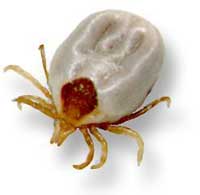
 The paralysis ticks themselves are grey in colour with orange legs and head part, with the legs all coming out from the “head” end rather than down the sides of the body. This describes the adult female tick, the main cause of tick toxicity. Larval stages can cause signs of tick toxicity but usually in large numbers, and this occurs much less commonly. The tick itself can be tiny to start but is usually about 4mm across by which time it causes signs of tick toxicity. The tick may have been present for a few days before reaching this size, hence ticks found early and removed may prevent signs of tick toxicity.